Service_1
Excavation

Excavation is a vital aspect of construction and landscaping that involves the removal of soil, rock, or other materials from a specific site to prepare it for various projects. This process is fundamental in shaping the land and creating a stable foundation for structures. Whether it's for a new home, a commercial building, or landscaping features, excavation plays a critical role in ensuring the success of any project. The process requires careful planning and execution to avoid issues such as soil erosion, instability, and safety hazards.

The first step in the excavation process is site assessment. This involves evaluating the area where the work will be done, taking note of the terrain, existing structures, and any potential obstacles. Experienced professionals conduct soil tests to determine its composition and stability, which helps in deciding the appropriate methods and equipment to use. Proper assessment ensures that the excavation is carried out efficiently and minimizes the risk of unforeseen complications during the project.

Once the site is assessed, the excavation team will outline the area to be excavated, marking boundaries to prevent damage to surrounding features. This step is crucial in maintaining accuracy and ensuring that the excavation is confined to the designated area. Using advanced tools and equipment, skilled operators begin the excavation process, digging to the required depth while maintaining the integrity of the surrounding soil. The use of heavy machinery, such as excavators and backhoes, allows for swift and effective removal of materials, making the process much faster than manual methods.

Safety is a paramount concern in excavation work. Professional excavation teams adhere to strict safety protocols to protect workers and the surrounding environment. This includes using personal protective equipment (PPE), securing the site to prevent unauthorized access, and implementing measures to manage potential hazards such as collapsing soil. Experienced teams are trained to recognize and respond to risks, ensuring that the excavation proceeds smoothly without incidents.

Service 2 Image
Decking

Decking is a transformative feature that enhances outdoor living spaces, providing both functionality and aesthetic appeal. This process involves constructing a flat, elevated surface made of wood, composite, or other materials that serves as an extension of a home or property. Decks can be used for various purposes, including entertaining, relaxing, or simply enjoying the outdoors. With the right design and materials, decking can significantly improve the overall value and enjoyment of a property.

The initial stage of decking involves careful planning and design. Homeowners often work with professional contractors to determine the best layout, size, and materials that will complement their existing landscape and architectural style. The design process takes into consideration factors such as sun exposure, views, and access points to ensure that the deck maximizes usability while harmonizing with the surrounding environment. A well-thought-out design not only enhances functionality but also creates an inviting atmosphere for family and guests.

Once the design is finalized, the construction process begins. This involves clearing the area where the deck will be built, ensuring that the ground is level and stable. Professionals use heavy-duty equipment to excavate and prepare the foundation, which is crucial for ensuring the durability and longevity of the deck. The choice of materials is significant at this stage; options range from traditional timber to modern composite materials, each offering unique benefits in terms of appearance, maintenance, and longevity.

After the foundation is set, the framework of the deck is constructed using beams and joists to provide structural integrity. This framework serves as the skeleton of the deck, supporting the surface material and ensuring that it can withstand the weight of furniture, people, and environmental factors. Experienced builders pay close attention to detail during this phase, ensuring that all components are securely fastened and aligned correctly to prevent future issues.

Service_3
Retaining Walls

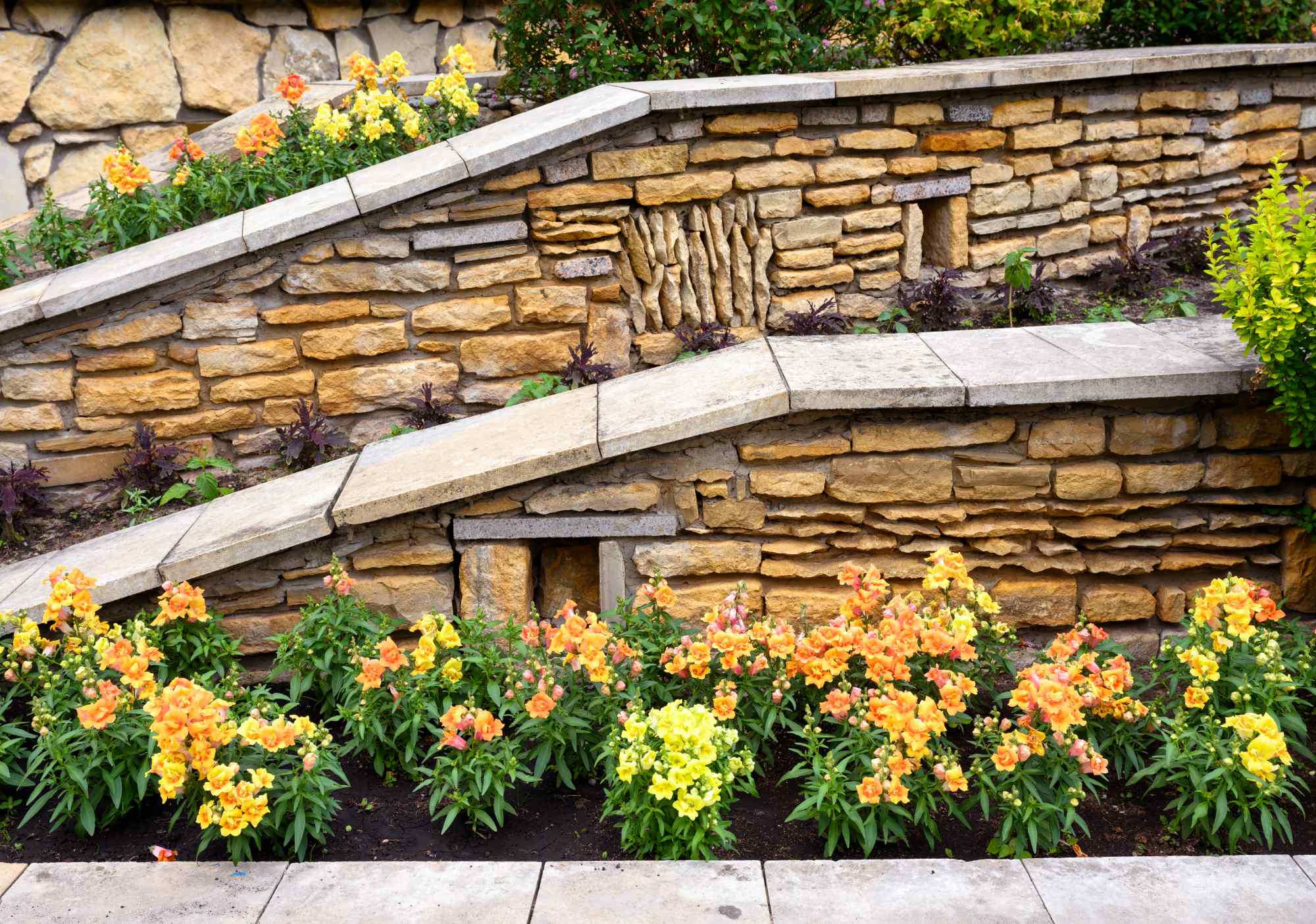
Retaining walls are essential structures in both residential and commercial landscaping, designed to hold back soil and manage elevation changes on a property. They play a critical role in preventing soil erosion and stabilizing the landscape, making them particularly valuable in areas with sloped terrain. A well-constructed retaining wall not only provides functional benefits but also enhances the aesthetic appeal of outdoor spaces by creating defined areas for gardens, patios, and pathways.

The design process for a retaining wall begins with careful site analysis. Professionals evaluate the slope of the land, soil conditions, and drainage patterns to determine the most effective wall type and materials. Understanding these factors is crucial for ensuring that the wall can withstand the lateral pressure exerted by the soil it retains. This step is vital in preventing future issues such as wall failure or shifting, which can lead to costly repairs.

Once the design is finalized, the construction process can commence. This typically involves clearing the area where the wall will be built and excavating the foundation to create a solid base. The depth and width of the footing depend on the height and type of the retaining wall. Properly preparing the foundation is essential for the wall’s stability and longevity, as it ensures that the weight is evenly distributed and minimizes the risk of movement over time.

There are several types of retaining walls, each offering unique advantages. Gravity walls, for example, rely on their weight to hold back soil, making them a popular choice for lower height applications. Other options include cantilever walls, which use leverage to resist soil pressure, and anchored walls, which incorporate cables or other anchoring systems for added support. The choice of wall type will depend on the specific requirements of the project, including the height of the wall, the soil type, and the available space.

Service_4
Landscaping

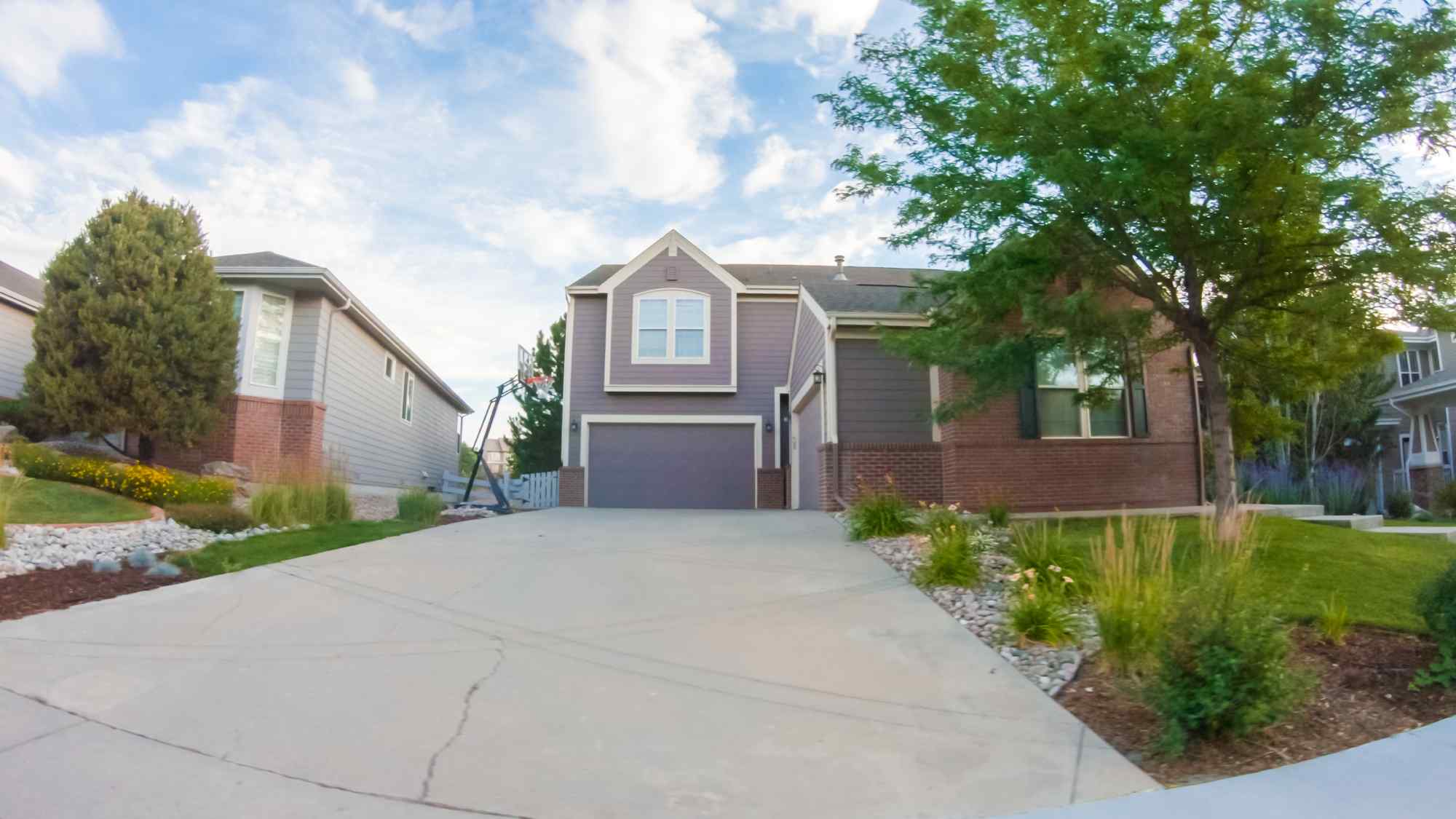
Landscaping is the art and science of transforming outdoor spaces into aesthetically pleasing and functional environments. It encompasses a wide range of practices, from planting trees and shrubs to designing intricate gardens and outdoor living areas. Effective landscaping goes beyond mere decoration; it creates a harmonious balance between nature and human activity, enhancing the beauty of a property while also addressing practical needs such as drainage, erosion control, and accessibility.

The landscaping process begins with careful planning and design. Professionals assess the existing landscape, taking into account factors such as soil type, climate, sun exposure, and drainage patterns. Understanding these elements is crucial for selecting the right plants, materials, and layout. This phase often involves creating detailed plans or sketches that outline the desired features, such as pathways, flower beds, water features, and seating areas. By collaborating with clients, landscapers can ensure that the design reflects personal preferences and fits seamlessly within the surrounding environment.

Once the design is established, the implementation phase begins. This involves preparing the site for planting and construction, which may include clearing debris, leveling the ground, and improving soil conditions. Depending on the scope of the project, this could involve significant earthmoving or excavation work. Professionals may also need to address existing issues such as poor drainage or soil erosion, using techniques like terracing or the installation of retaining walls to create a stable foundation for the new landscape.

Plant selection is a critical aspect of landscaping, as the right plants can greatly enhance the visual appeal and sustainability of an outdoor space. Landscapers consider factors such as plant hardiness, growth patterns, and seasonal changes when making recommendations. Native plants are often preferred due to their adaptability to local climates and low maintenance requirements. By incorporating a variety of plants, including trees, shrubs, flowers, and ground covers, landscapers can create diverse ecosystems that attract wildlife and provide year-round interest.
Service_5
Timber Pergolas

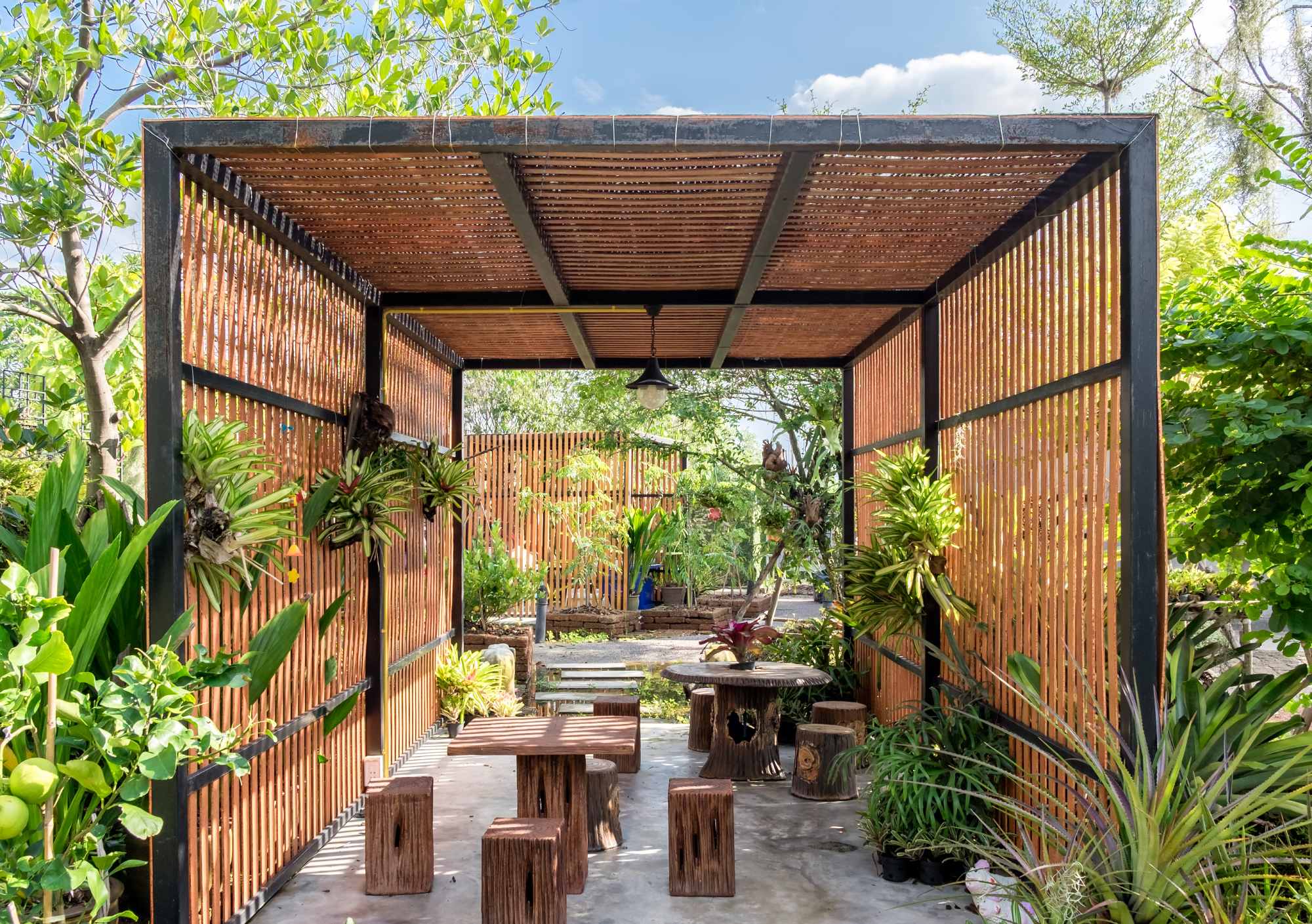
Timber pergolas are elegant structures that enhance outdoor spaces, providing shade, style, and an inviting atmosphere for relaxation and entertainment. These architectural features consist of a framework of vertical posts and horizontal beams, creating a semi-open space that can be adorned with climbing plants or left open to the sky. A well-designed timber pergola not only adds visual interest to a landscape but also serves as a functional extension of a home, allowing for outdoor dining, gatherings, and leisure activities.

The design process for a timber pergola begins with careful consideration of the intended use and location. Homeowners often work with professional landscapers or architects to determine the best size, shape, and placement for the pergola, ensuring it complements existing structures and landscapes. Factors such as sunlight, wind patterns, and the view from the house play a significant role in the design, as these elements impact the comfort and usability of the space. Custom designs can vary widely, from simple rectangular shapes to more intricate structures featuring arches or lattice work.

Once the design is established, the construction process begins with site preparation. This typically involves clearing the area where the pergola will be built and ensuring the ground is level. Professionals may need to excavate post holes for the vertical supports, which are crucial for the stability and longevity of the structure. The choice of timber is an important consideration, with options such as treated pine, cedar, or hardwoods available, each offering distinct advantages in terms of durability, appearance, and resistance to the elements.

After the posts are securely installed, the framework of the pergola is constructed by attaching horizontal beams and rafters. These components provide support and create the characteristic open roof that allows for light and air to pass through while offering some shade. The design can be further enhanced with additional features such as decorative end caps, lattice panels, or integrated lighting, making the pergola a stunning focal point in the garden or backyard.

Service_6
Concreting

Concreting is a fundamental aspect of construction and landscaping that involves the use of concrete to create durable, versatile surfaces and structures. From driveways and patios to foundations and decorative features, concrete plays a vital role in enhancing the functionality and aesthetics of both residential and commercial properties. Its durability, low maintenance, and adaptability make it a preferred material for various applications, allowing for creativity and practicality in design.

The process of concreting begins with careful planning and design. This involves determining the intended use of the concrete surface, the required thickness, and any specific design features. Professionals assess the site conditions, including soil type, drainage patterns, and environmental factors, to ensure that the concrete will perform effectively over time. Accurate measurements and layouts are crucial during this phase to guarantee that the final product meets both functional and aesthetic requirements.

Once the design is finalized, the preparation phase commences. This typically involves clearing the area, excavating to the required depth, and ensuring proper compaction of the subgrade. A well-prepared base is essential for preventing cracks and settling in the future. Depending on the project, a gravel or sand base may be installed to enhance drainage and provide additional stability. Reinforcement materials such as steel rebar or wire mesh are often incorporated to improve the concrete's strength and durability, particularly in high-stress applications.

After preparation, the mixing and pouring of concrete take place. This process requires precise measurements of ingredients, including cement, aggregates, water, and additives, to achieve the desired consistency and strength. The concrete is typically mixed on-site or delivered from a batch plant, depending on the scale of the project. Once mixed, the concrete is poured into forms that define the shape and size of the desired structure or surface. Timing is critical during this phase, as concrete needs to be poured and finished before it begins to set.